Source Portable High Frequency Facial Wand for Salon, Home, and Car
Compare 30 portable high frequency facial wand options from verified suppliers. These devices support salon, home, and in-car applications with features like germicidal action, skin tightening, and accelerated metabolism. Review specifications, prices, and customization details to find the right equipment.
Key considerations
Products List


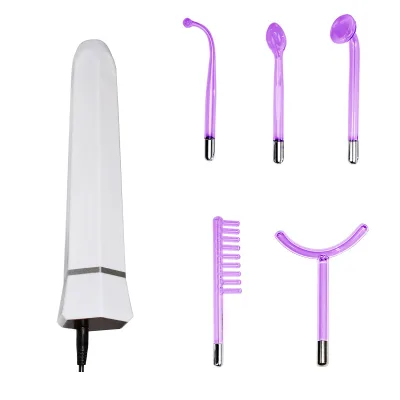
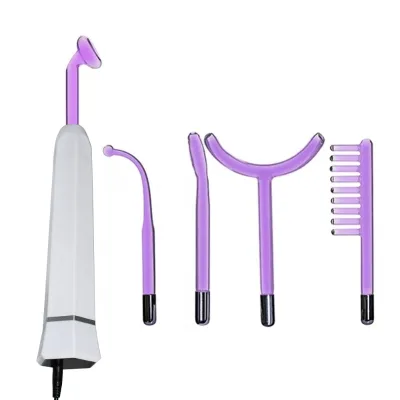
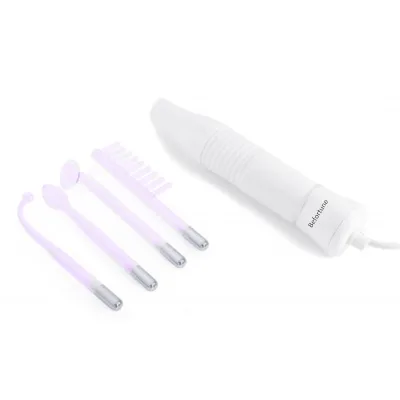


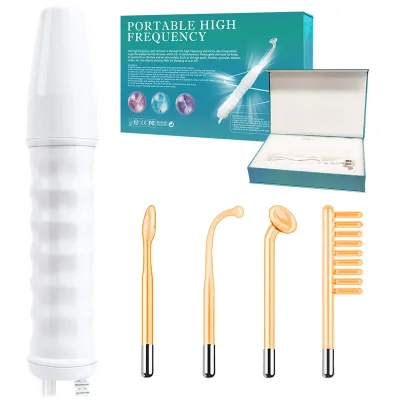
Comprehensive Sourcing Guide
Portable High Frequency Facial Wand Sourcing Guide
Procurement of portable high frequency facial wands requires distinguishing between units designed for professional salon environments and those intended for home use, as the supplied data indicates both application categories are prevalent in the market. Buyers must verify that the specific model selected aligns with their intended operational setting, noting that some listings explicitly target salon workflows while others emphasize home convenience. This distinction often influences the robustness of the internal components and the complexity of the electrode system included with the device.
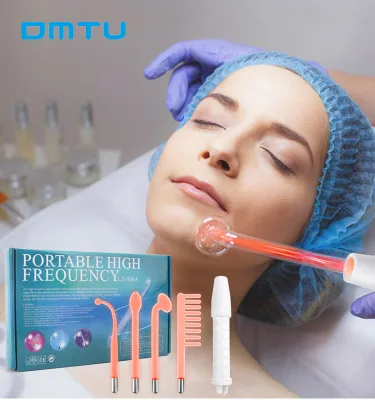
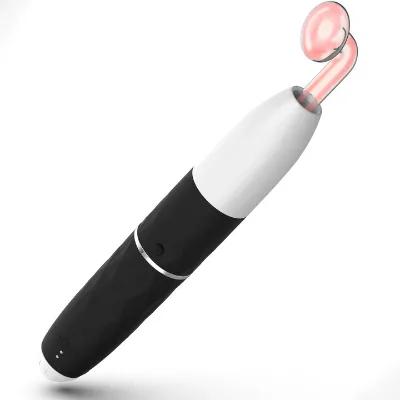
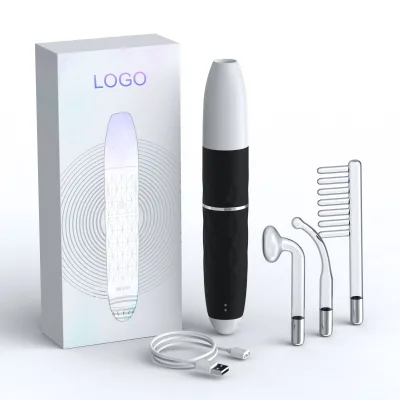
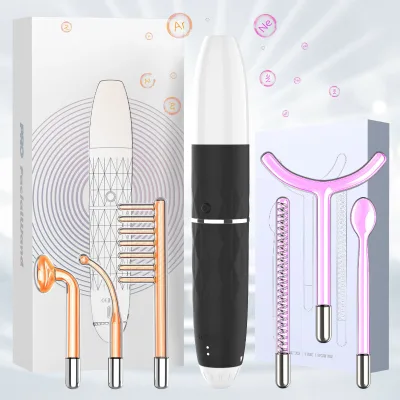
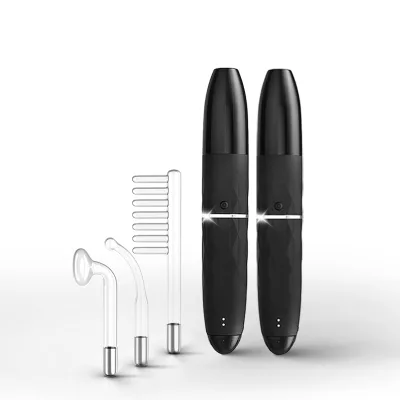
The observed product range highlights a strong emphasis on portability, with many units featuring handheld designs and inclusion in carrying cases to facilitate transport. Sourcing teams should prioritize models that explicitly state customization availability and OEM support if branding is a strategic requirement for the business. Additionally, the presence of multiple electrode tubes, such as the four-tube configurations observed, suggests a need to verify the compatibility of these accessories with the specific voltage and power requirements of the target market to ensure functional versatility.
Product Scope and Observed Listing Signals
Buyers analyzing the market scope will observe a diverse array of functional claims, ranging from accelerating metabolism and aiding wound healing to anti-wrinkle treatments and skin firming. It is critical to treat these functional assertions as product-specific observations rather than universal guarantees, as different models like the LW-018 or SC740 may emphasize distinct therapeutic outcomes. Procurement strategies must account for this variability by requesting detailed function sheets for each SKU to ensure the claimed benefits match the specific device architecture and intended user experience.
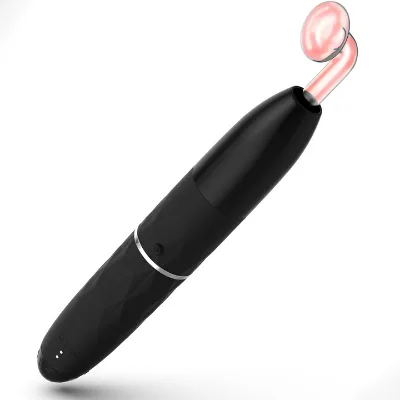
The visual and physical attributes of these devices also vary significantly, with color options ranging from standard white to green and white combinations, and packaging often utilizing foam and standard export cartons for protection. The gross weight of units typically hovers around 0.65kg to 700g, indicating a lightweight design suitable for handheld operation. Sourcing teams should verify that the physical dimensions and weight specifications provided in the listing match the actual product to avoid discrepancies in shipping costs and user ergonomics during the final delivery phase.
Technical Specifications to Verify
Voltage compatibility is a primary technical consideration, as the observed data shows a split between AC110V/220V specific models and universal 100V-240V units. Buyers must confirm the exact voltage rating of the selected model against the electrical standards of the destination country to prevent equipment failure or safety hazards. The power consumption also varies, with listings indicating both 10W and 20W ratings, which may impact the device's heating efficiency and the intensity of the high-frequency output delivered to the skin.
Frequency and electrode configuration are equally vital technical parameters that define the device's performance capabilities. The market data references a frequency range of 50-60Hz and specific configurations such as four electrode tubes, which are essential for delivering the high-frequency current effectively. Procurement teams should verify the material and type of these electrode tubes, as well as the light color output, such as the observed orange light, to ensure they meet the specific therapeutic requirements of the target customer base and do not present compatibility issues with existing salon equipment.
Compliance and Safety Documentation
Safety compliance is non-negotiable for electrical beauty devices, and the supplied facts confirm that CE certification is a standard requirement for many of the listed models. Buyers must insist on valid CE certificates that correspond to the specific product model number, such as the B-8121 or SC999, to ensure the device meets European safety directives. It is also prudent to verify if RoHS certification is included, as this indicates compliance with restrictions on hazardous substances, which is increasingly important for international market access and consumer trust.
Beyond electrical safety, documentation regarding the product's origin and manufacturing standards provides essential context for risk management. The data indicates that many units originate from Guangzhou, Guangdong, or generally China, which necessitates a thorough review of the supplier's quality management systems. Buyers should request evidence of the manufacturing standards applied, such as the 100-240V/50-60Hz standard noted for specific models, to ensure that the production process adheres to consistent safety protocols and that the plug-in standards match the local infrastructure of the import destination.
Cost Drivers and Commercial Terms
The pricing landscape for these devices shows a wide observed range from 9.2 to 78.82 USD, driven by factors such as the number of included electrode tubes, the complexity of the internal circuitry, and the level of customization offered. Buyers should analyze whether the lower price points correspond to basic home-use models with limited functions or if they represent a cost-effective entry point for bulk procurement. Understanding the correlation between price and feature set, such as the inclusion of a carrying case or specific power ratings, is essential for negotiating value without compromising on essential performance metrics.
Minimum Order Quantities (MOQ) and customization options significantly influence the commercial terms of the agreement, with observed MOQs ranging from 1 to 10 units. This flexibility allows buyers to test the market with small batches before committing to larger volumes, particularly when OEM branding is required. Procurement teams must clarify the lead times associated with customized orders, as the availability of customization and the specific production origin in Guangzhou may impact the timeline for delivery, especially when coordinating with the standard export carton packaging requirements.
Supplier Qualification and Quality Control
Supplier qualification should focus on verifying the consistency of product attributes across different batches, given the variation in models like the SC1018C and SC740. Buyers must ensure that the supplier can consistently deliver units that match the specified voltage, power, and electrode configurations without deviation. The presence of a one-year warranty in the product data suggests a baseline expectation for after-sales support, which should be explicitly detailed in the contract to cover potential defects in the electrode tubes or the main unit housing.
Quality control protocols must address the physical integrity of the packaging and the device itself, as the observed packing methods include foam and standard export cartons designed to prevent damage during transit. Inspections should verify that the gross weight and package dimensions remain consistent with the listed specifications to avoid unexpected shipping costs or customs issues. Furthermore, buyers should implement a pre-shipment inspection to confirm that the product color, light output, and electrode tube count match the agreed-upon samples, ensuring that the final delivered goods meet the initial expectations set during the sourcing phase.
Long-Term Procurement Checks
Sustaining a successful supply chain for portable high frequency facial wands requires ongoing monitoring of the supplier's ability to maintain the one-year warranty and provide replacement parts for electrode tubes. As the market evolves, buyers should regularly review the product specifications to ensure that the voltage and frequency standards remain compatible with changing international regulations and consumer expectations. Establishing a clear communication channel for technical support is vital, especially when dealing with complex features like germicidal functions or decongesting capabilities that require precise calibration.
Long-term procurement strategies should also include periodic audits of the supplier's manufacturing location and quality standards to ensure continued compliance with CE and other relevant certifications. Buyers must remain vigilant regarding the origin of the products, verifying that the Guangzhou-based production continues to adhere to the stated standards and that any changes in the supply chain do not compromise the device's safety or performance. Regular feedback loops with end-users can help identify any recurring issues with the product's application in salons or homes, allowing for proactive adjustments to the procurement strategy.
FAQs
What are the main functions of this portable high frequency facial wand?
This device accelerates metabolism, helps wounds heal, and reduces wrinkles while also acting as a germicidal and decongesting tool. It tightens skin, helps emollients penetrate, and removes dirt effectively. These functions make it suitable for both salon and home applications with customizable options available.
Can I customize the portable high frequency facial wand for my brand?
Yes, customization is available for this portable high frequency facial wand to meet specific branding needs. The product supports OEM services, allowing you to tailor features or packaging. This flexibility ensures the device aligns with your business requirements while maintaining standard export quality and safety certifications.
What voltage does the portable high frequency facial wand operate on?
The portable high frequency facial wand operates on AC110V or 220V, with some models supporting 100V to 240V at 50-60Hz. This wide voltage range ensures compatibility with various international power standards. The device is designed for versatile use in different regions without requiring additional transformers for standard operation.
How is the portable high frequency facial wand packaged for shipping?
The portable high frequency facial wand is packed in foam and a standard export carton to ensure safe transit. Some models come in a carrying case for added protection and portability. The packaging dimensions vary slightly by model, with gross weights ranging from 0.65kg to 700g for efficient logistics handling.
Where is the portable high frequency facial wand manufactured?
The portable high frequency facial wand is manufactured in Guangzhou, Guangdong, China. This location is a known hub for beauty equipment production, ensuring access to skilled labor and supply chains. Products originate from this region and meet CE standards, providing reliable quality control for international buyers seeking verified sources.
What warranty is provided for the portable high frequency facial wand?
A one-year warranty is provided for the portable high frequency facial wand to cover manufacturing defects. This warranty ensures peace of mind for buyers investing in professional or home-use equipment. It applies to the core functionality of the device, supporting long-term reliability and customer satisfaction across salon and personal care applications.
Which certifications does the portable high frequency facial wand hold?
The portable high frequency facial wand holds CE and RoHS certifications, confirming compliance with safety and environmental standards. These certifications indicate the product meets rigorous regulatory requirements for electrical safety and material restrictions. Buyers can trust the device adheres to international quality benchmarks when sourcing from verified suppliers in the region.